The second meeting of the Regional Board on Asian Algae highlights its spread along the eastern coast of Cantabria
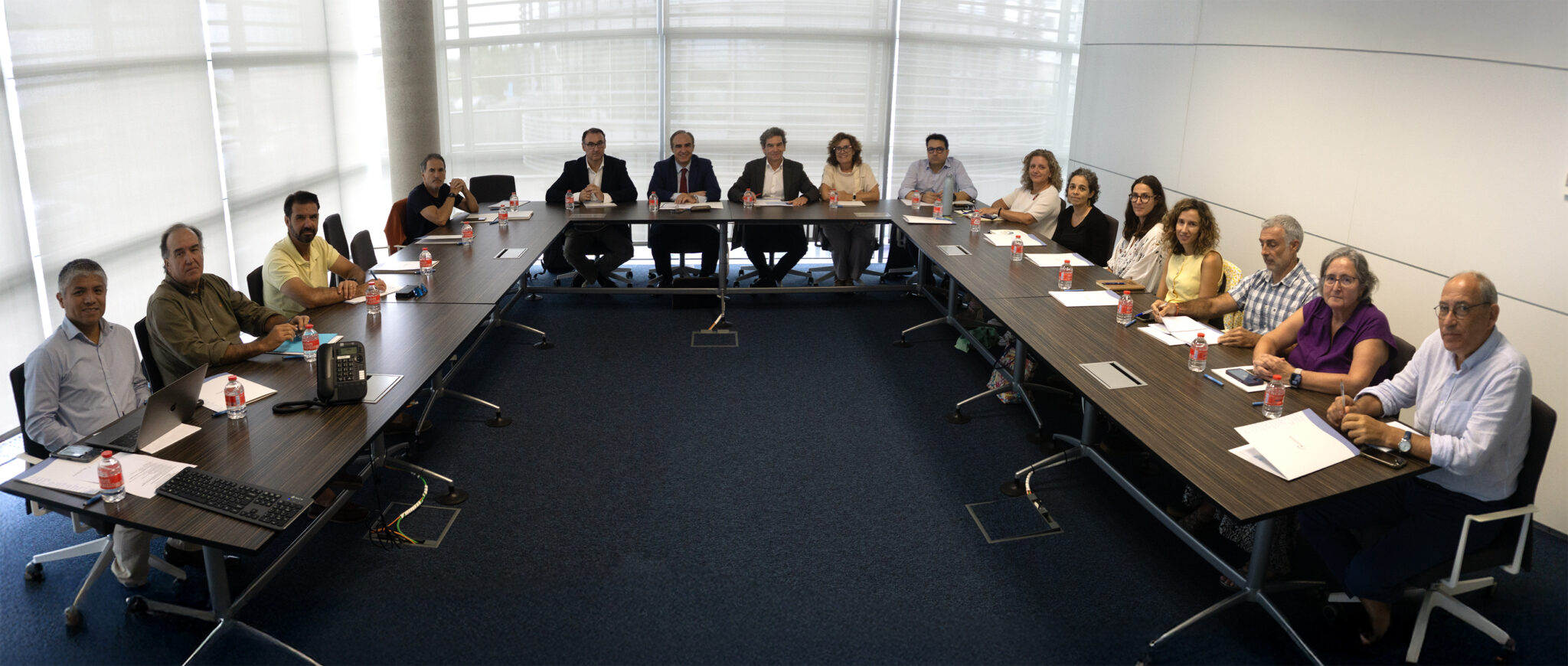
As part of the review of the spread of the Asian algae, IHCantabria presented the results of the 2026 field surveys conducted at nearly 50 beaches in Cantabria, confirming that the areas with the highest biomass concentrations of this algae were Castro Urdiales, Noja, Ajo, Somo, Langre, and Santander. The General Directorate for the Environment noted that this year’s amount of algae collected will exceed last year’s; “to date, the amount of biomass collected from the beaches has already matched that collected as of September 15 of last year.” For their part, researchers from the Spanish Institute of Oceanography (IEO-CSIC) and technicians from the marine biodiversity team at the Ministry for Ecological Transition and the Demographic Challenge (MITECO) also observed a greater presence of the algae in the eastern part of the region during their field surveys.
In this regard, IHCantabria and the Government of Cantabria, through the General Directorate of the Environment, announced the launching of a collaborative effort to prepare a regional assessment of the algae invasion. Specific surveys targeting this algae will be conducted to assess the risk of the species’ spread and algal blooms, propose monitoring measures, and put forward initial proposals for developing a management plan—similar to those already in place in Andalusia, Melilla, and Galicia, regions with a significant presence of the algae. The collaboration will also propose conducting complementary studies to address potential interactions with other unique algae species that constitute natural resources of economic importance in our region, such as Gelidium (caloca), its seasonality, and the application of remote sensing tools for its observation and monitoring. The first results are expected to be presented by the end of the year.
IHCantabria took the opportunity to announce the launch of the project Eco-Rok, led by the Institute and funded by the CDTI of the Ministry of Science, Innovation, and Universities, whose goal is to create an innovation ecosystem and promote knowledge transfer among different coastal regions of Spain affected by the spread of the algae. Eco-Rok will enable the development and sharing of diagnostic methodologies and the proposal of solutions to the negative impacts of the algae on fishing, tourism, and biodiversity. In addition, as part of Eco-Rok’s activities, awareness-raising events on the algae are planned in Cantabria—specifically in Noja, Castro Urdiales, and San Vicente—before the summer of 2027 arrives.
During the session, the importance of the REECEA (Spanish Network of Knowledge Spaces for the Blue Economy) virtual platform—managed by the Spanish Government’s Secretariat of Fisheries—was highlighted, as a tool for collaboration and coordination among the members of the Steering Committee. The session also included a review of the computer applications that, at the national level, provide information on the current location of the algae and issue forecasts regarding algal blooms on beaches.
Finally, the project “Guardians of the Gorgonians in the Cantabrian Sea” was presented, funded by the European Rapid Response Fund for Invasive Alien Species and led by the Association of Sustainable Municipalities of Cantabria, the Government of Cantabria’s Office of European Projects, and IHCantabria. The project will focus on the Sonabia area and adjacent beaches, combining monitoring, experimental removal, citizen participation, and the conservation of marine habitats of high ecological value (gorgonians) in the face of the invasion by the Asian seaweed.
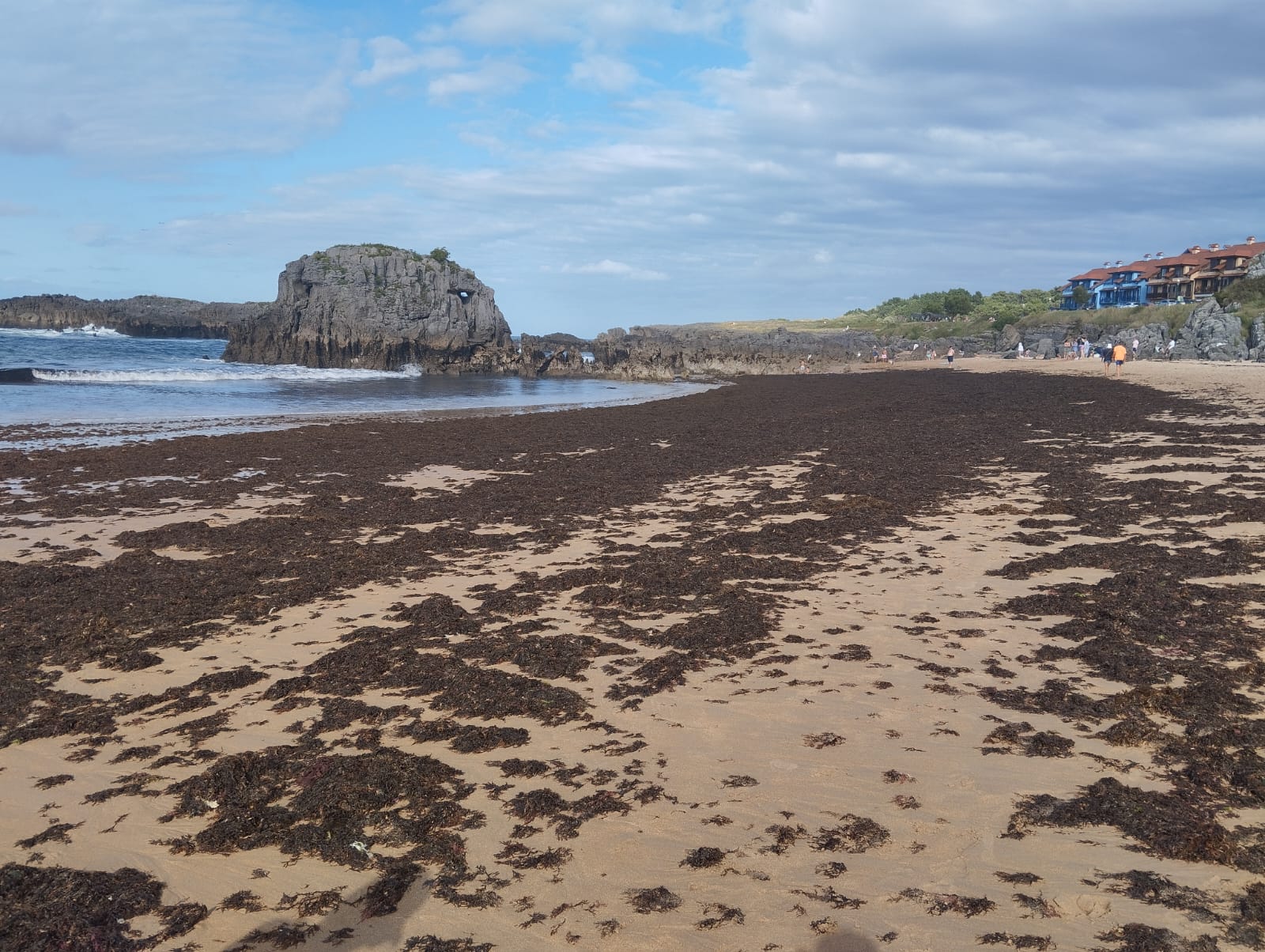
The areas with the highest concentration of Asian algae this year have been Castro Urdiales, Noja, Ajo, Somo, Langre, and Santander