IHCantabria promotes ecosystem restoration through the ECOMPASS project
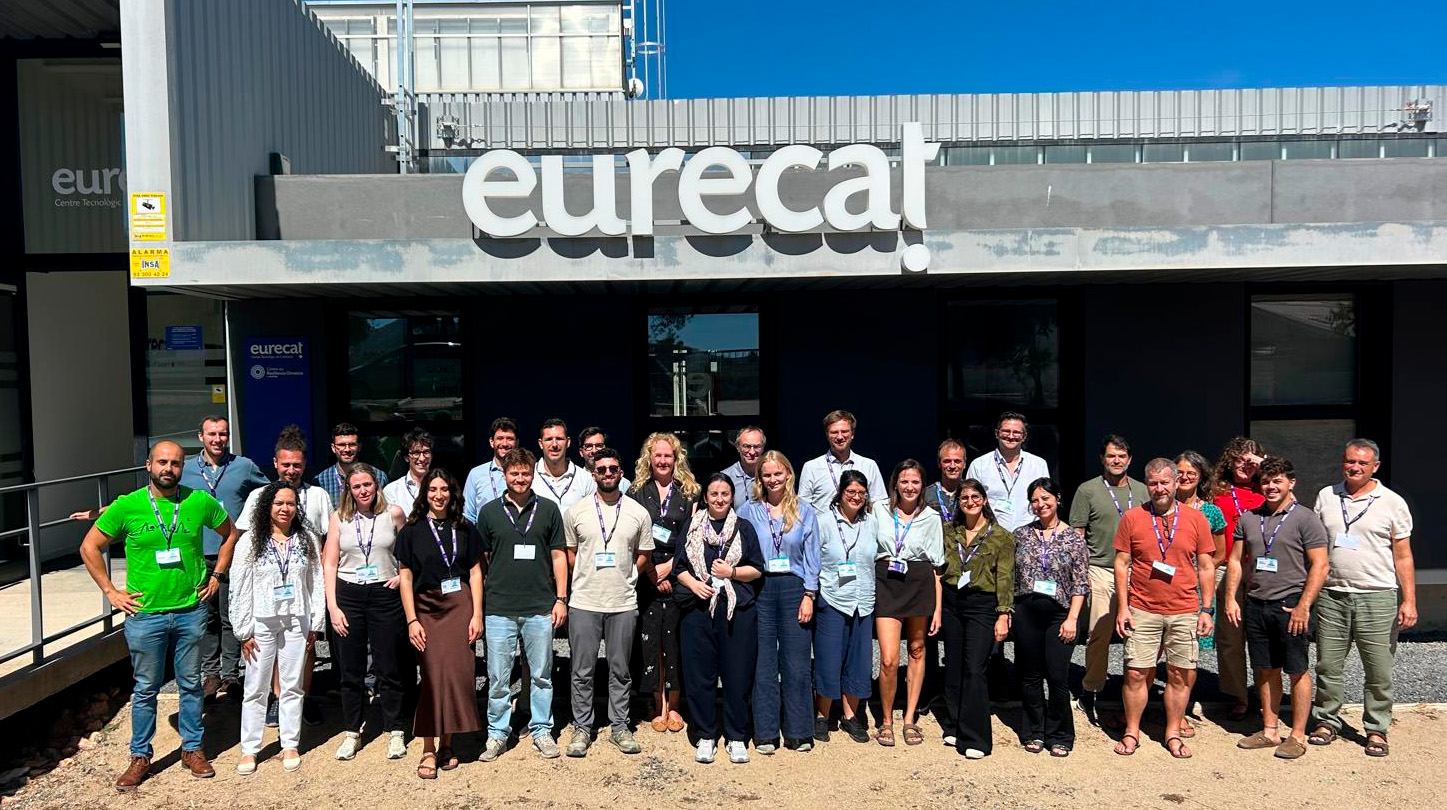
Kick-off Meeting of the ECOMPASS Project, Funded by the Horizon Europe Program
This European initiative will develop innovative tools based on scientific evidence to help public administrations and investors design, evaluate, and finance environmental restoration projects
The Environmental Hydraulics Institute of the Universidad de Cantabria (IHCantabria)participates in the launch of ECOMPASS (“Systemic Decision-Support for Ecosystem Restoration Pathways – Integrated Framework for Socio-Economic Valuation, Policy Guidance, and Biophysical Trade-offs”), a project funded by the European Union’s Horizon Europe program (Grant No. 101291526), which promotes ecosystem restoration in Europe, highlighting its environmental, social, and economic benefits for society. ECOMPASS brings together research centers, universities, and specialized companies from six European countries with the goal of creating a decision-making system that enables the efficient implementation of restoration actions.
Biodiversity loss, combined with the effects of climate change and increasing pressure on natural resources, is reducing the ability of ecosystems to provide essential services to society, such as flood protection, climate regulation, and support for land-based economic activities. For this reason, ecosystem restoration has become a priority for the European Union, as reflected in the Nature Restoration Regulation, and a key tool for addressing the climate and biodiversity crises.
Promoting ecosystem restoration requires understanding and verifying its environmental, social, and economic benefits. In this context, ECOMPASS will enable stakeholders involved in ecosystem restoration to understand these benefits, as well as the costs of inaction, thereby fostering the efficient implementation of restoration actions. To this end, the project proposes the development of a tool that will facilitate the design, evaluation, and financing of restoration actions, providing scientific evidence for public administrations, potential private investors, and land managers.
The ECOMPASS consortium will work on six case studies that bring together different European ecosystems found in various countries and socioeconomic contexts, ranging from Atlantic estuaries and Mediterranean wetlands to temperate forests, humid forest areas, and semiarid regions. This diversity will enable the development of solutions tailored to different environmental, climatic, and socioeconomic contexts, as well as the assessment of their potential for application in other European regions.
IHCantabria will lead the case study on Santander Bay, an area of great ecological value that is home to protected areas included in the Natura 2000 Network, including Special Areas of Conservation (SACs) and Special Protection Areas for Birds (SPAs). Despite its environmental significance, the bay has undergone decades of intense transformation due to human activity, which has significantly altered its ecological functioning and the extent of its natural habitats. In this context, IHCantabria will promote the analysis of various intertidal zone restoration actions aimed at restoring the estuary’s natural tidal dynamics and promoting the conservation and recovery of native biodiversity. To this end, numerical simulations will be developed under different climate scenarios to evaluate the effectiveness of these measures in conserving biodiversity, capturing and storing CO₂, and reducing flood risk in vulnerable areas. In addition, the project will analyze the positive impacts these actions may have on local and regional society and the economy. These include enhancing tourism appeal, promoting nature-based recreational activities, and generating socioeconomic value for the region. This assessment will be carried out in collaboration with Professor Adolfo Maza of the University of Cantabria.
ECOMPASS will adopt a co-creation approach that involves policymakers, researchers, and other key stakeholders in ecosystem management and restoration. The active participation of these stakeholders will allow their needs, priorities, and knowledge to be integrated into the design of the proposed solutions, thereby facilitating their effective implementation in each territorial context. Thanks to this collaborative approach, the project will develop innovative methodologies and decision-support tools capable of combining technical assessments of various restoration measures with advanced spatial econometric techniques. This will make it possible to jointly analyze the ecological, climate, and socioeconomic benefits of these actions, providing a solid scientific basis for guiding future restoration and climate change adaptation strategies.
The kick-off meeting for the ECOMPASS project was held this September at the Eurecat Technology Center in Amposta (Tarragona). Representing IHCantabria at the meeting were the project’s principal investigator and head of IHCantabria’s Ecosystem-Based Coastal Protection (ProEco) group, María Maza, and Silvia Fernández, the Institute’s senior European projects specialist. Isabel Gallego, a consultant for IHCantabria’s ProEco group, attended the meeting in person.
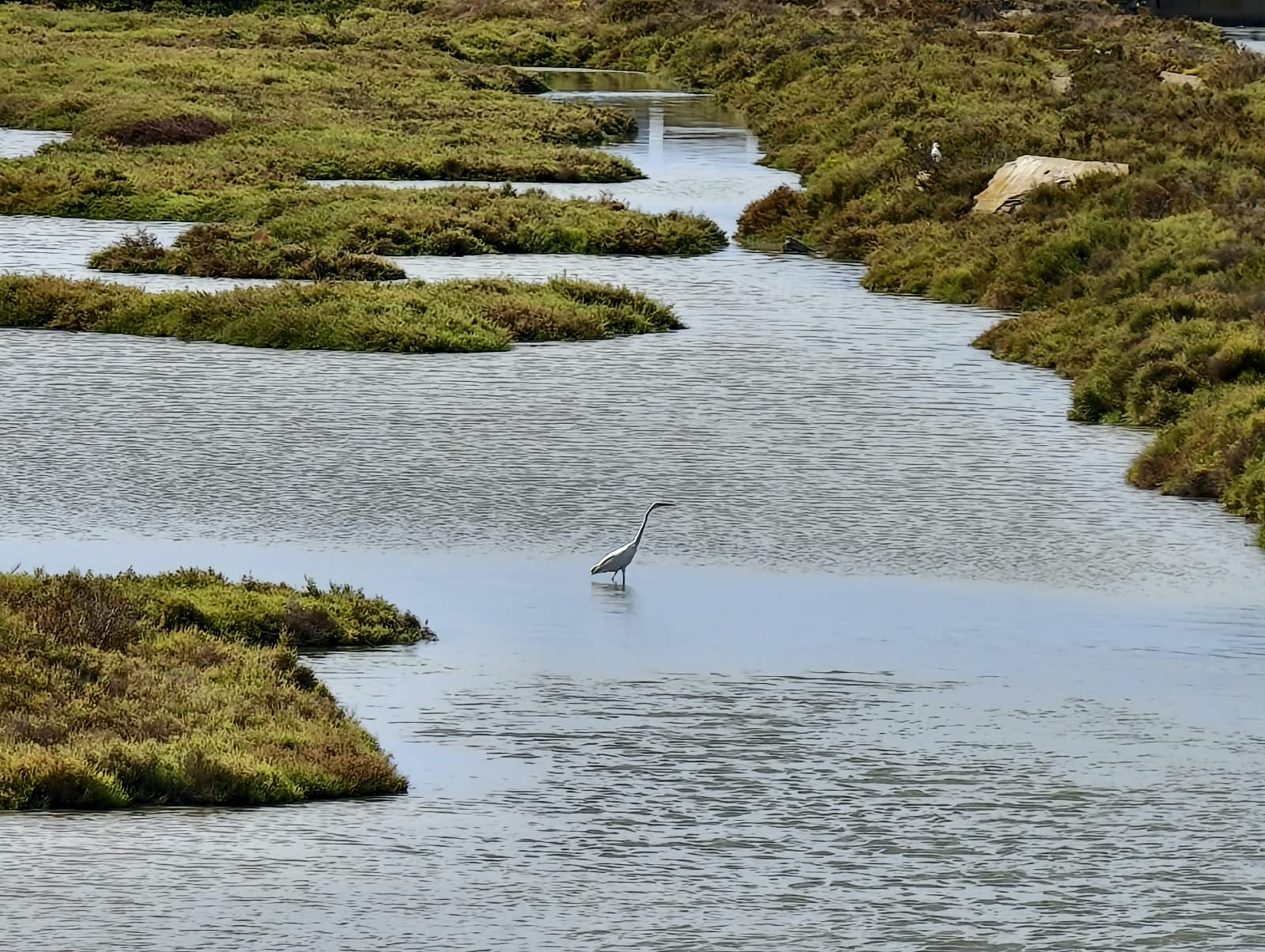
Ecosystem restoration has become a priority for the European Union, as reflected in the Nature Restoration Regulation