IHCantabria’s research reinforces global commitment to water quality
More than 140 countries celebrate World Water Monitoring Day on September 18, a key date to raise awareness and encourage citizen participation in the protection of this essential resource
Today, September 18, marks the “World Water Quality Monitoring Day”, an initiative that seeks to raise awareness of the importance of protecting this vital resource, promote its reuse and reduce pollution and discharges of untreated wastewater. In this context, it highlights the experience and commitment that the Environmental Hydraulics Institute of the Universidad de Cantabria (IHCantabria) has proven to have with the study and conservation of aquatic ecosystems; in a special way, through the following research groups: Littoral Ecosystems, Continental Ecosystems and Oceanography, estuaries and water quality.
A challenge linked to the Sustainable Development Goals
Water quality is one of the major environmental challenges of the 21st century. Target 6.3 of Sustainable Development Goal (SDG) 6 proposes to improve it and halve untreated wastewater by 2030. The applied research work carried out by IHCantabria is aligned with this global challenge, contributing to monitor pollution and to better understand the effects of point and diffuse discharges, which allows improving the state of ecosystems.
More than two decades protecting coastal and inland ecosystems
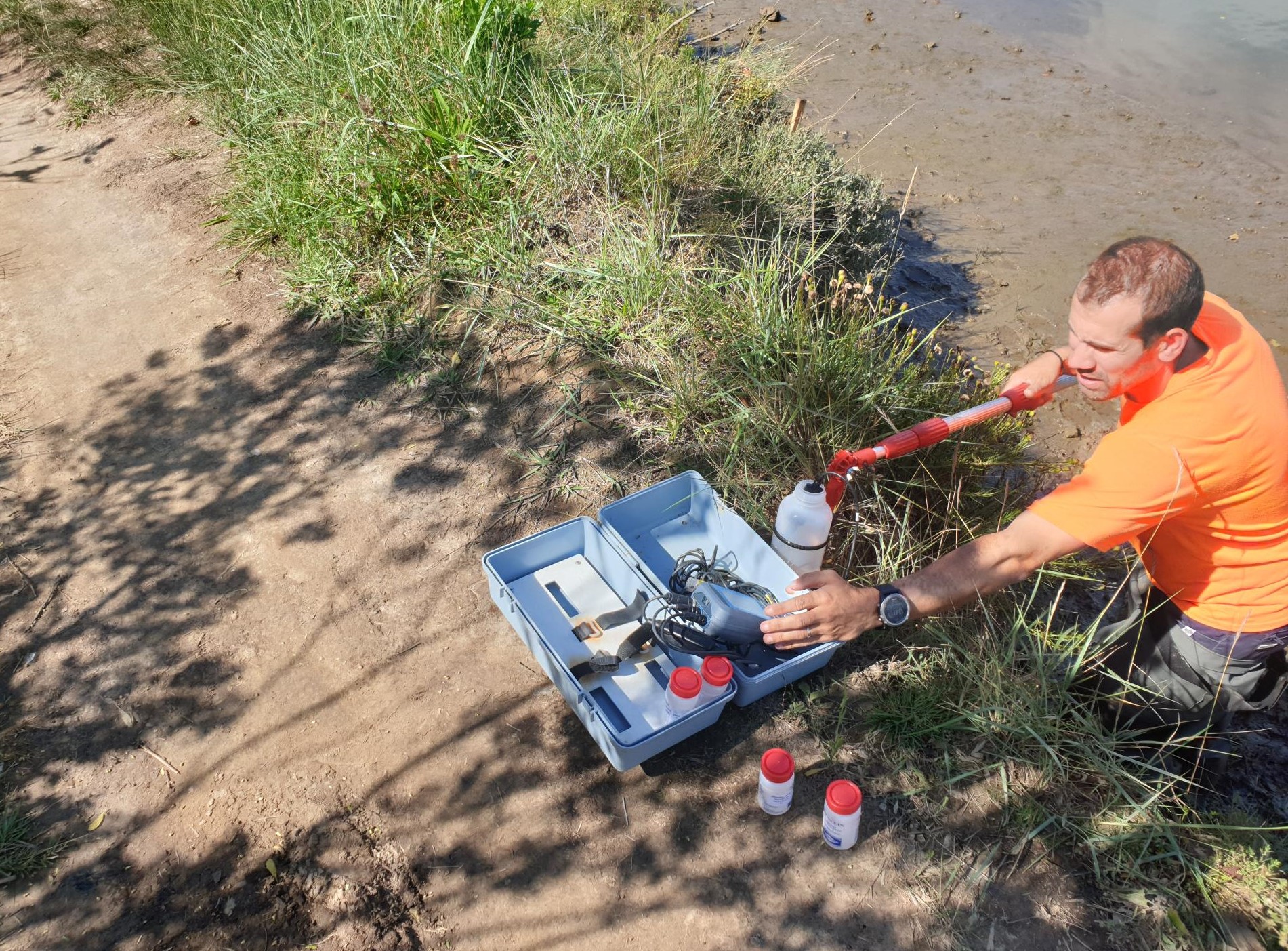
The Coastal Ecosystems group studies the functioning of estuaries and marine ecosystems, providing essential information for the management of coastal habitats. Its work has enabled the development of tools to assess the ecological status of waters and to comply with European legislation. Among its milestones is the implementation of the Cantabrian Coastal Quality Network (RCLC) in 2005, in compliance with the Water Framework Directive (2000/60/EC). The RCLC allows for systematic monitoring of the region’s transitional and coastal waters, through periodic sampling campaigns in water, sediments and living organisms. Its contribution includes surveillance monitoring ─to have a general and complete overview of the status of water bodies─, operational monitoring ─in areas that are at risk of not reaching good ecological status─ and research monitoring ─to know what causes and impacts are generated by the non-compliance with environmental objectives─. Therefore, this network provides key information to comply with current legislation on water quality and treatment; in addition to guiding the decision-making process and supporting the sustainable management of water quality in Cantabria.
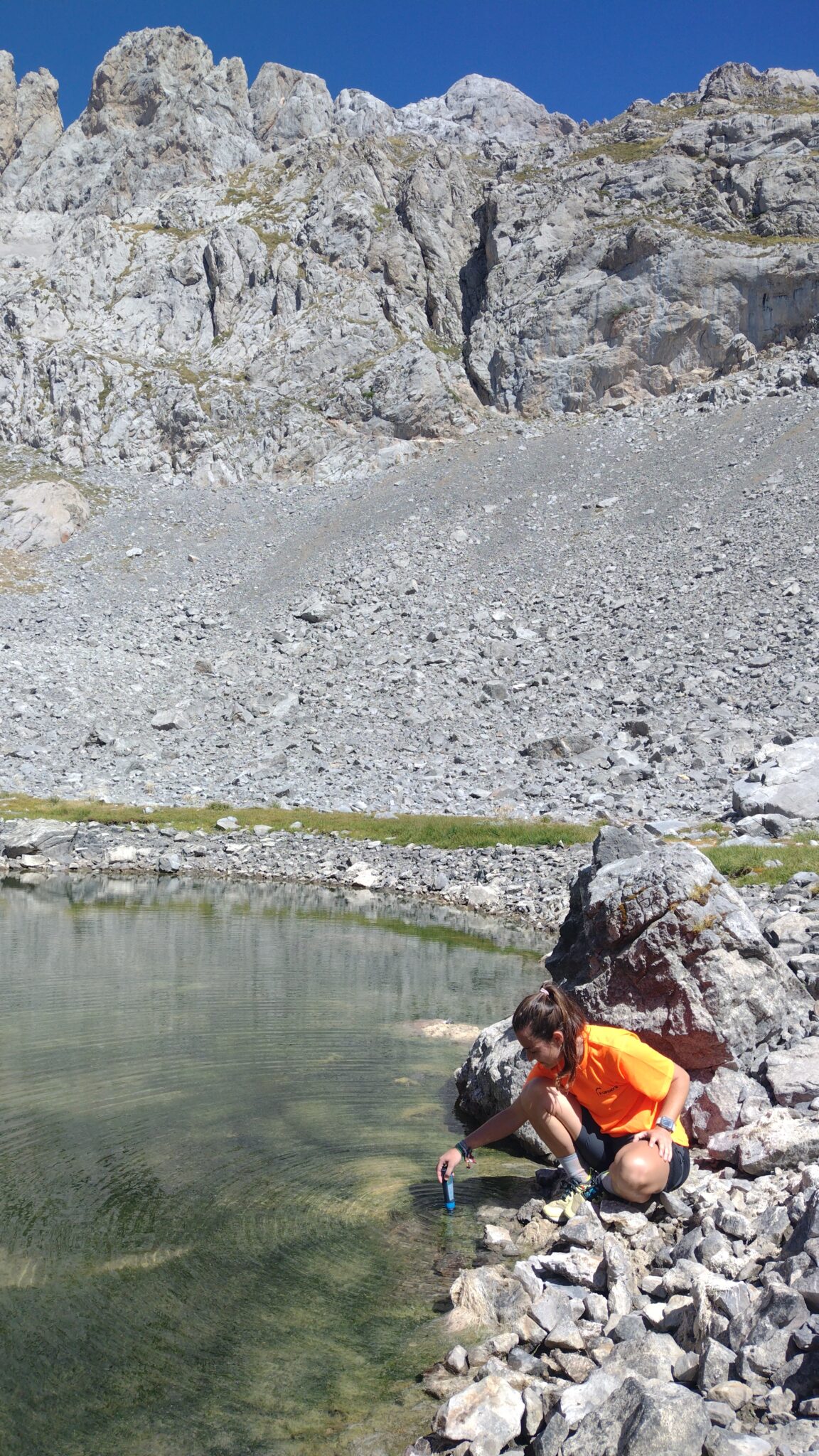
The Inland Ecosystems group focuses its research on the study of the mechanisms that confer resilience to inland aquatic ecosystems (rivers, wetlands and lakes) in the face of human pressure and natural disturbances. The monitoring of these ecosystems combines traditional techniques with the use of other novel techniques based on state-of-the-art sensors, remote sensing or environmental DNA. These capabilities, together with ecological modeling, provide tools for integrated watershed management (land-water) to ensure the conservation of these ecosystems and their biodiversity. An example of a long-term project is the consolidation of the LTSER-Picos de Europa(Long Term Socio-Ecological Research) platform, which has been monitoring changes in continental aquatic ecosystems for 14 years.
The Oceanography, Estuaries and Water Quality group develops innovative solutions to assess and mitigate the impacts of human activity on aquatic environments. In addition to the use of advanced numerical models ─to analyze the effects of urban or industrial discharges and accidental spills on water quality─ in the framework of several projects─, it is implementing novel artificial intelligence (AI) techniques that allow a faster response to the needs posed by water quality management. A clear example is the project being developed together with the Consorcio de Aguas Bilbao Bizkaia, to analyze and monitor the impact of discharges from the sanitation system in Urdaibai, in which a digital twin of the impacts of sanitation on the quality of the environment ─sistema CICLOPE─ is being implemented, making it possible to anticipate risks and design more effective response strategies.
Science and society, united by water
The commemoration of World Water Quality Monitoring Day also invites citizens to get involved in the monitoring of rivers, reservoirs and wetlands; taking into account that water quality is an essential factor for the health of ecosystems, human welfare and biodiversity. With its research and multiple research, training, technology transfer and knowledge projects, IHCantabria is part of a global effort that every September 18th reminds that access to clean and safe water is a right and a shared responsibility.
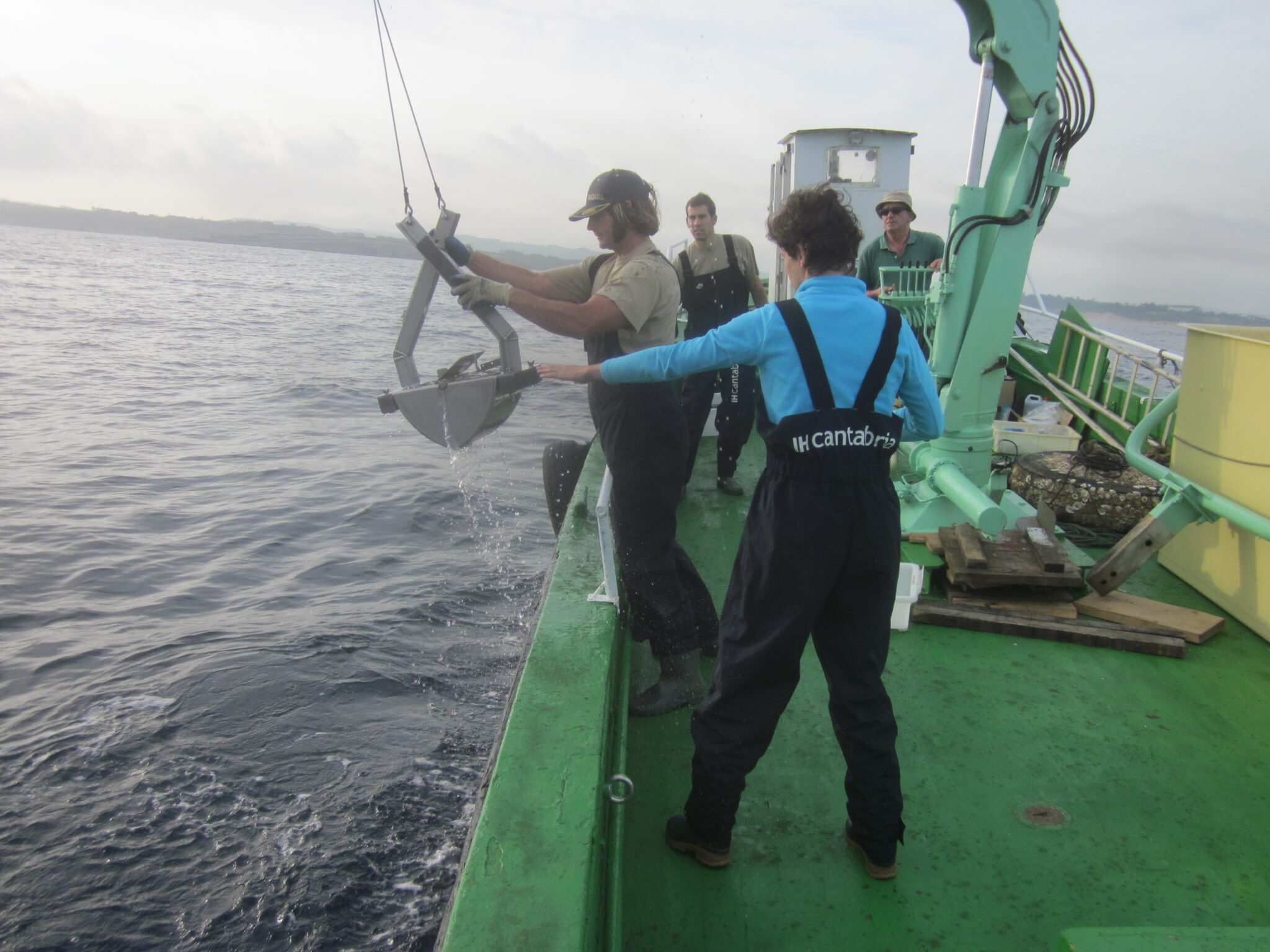
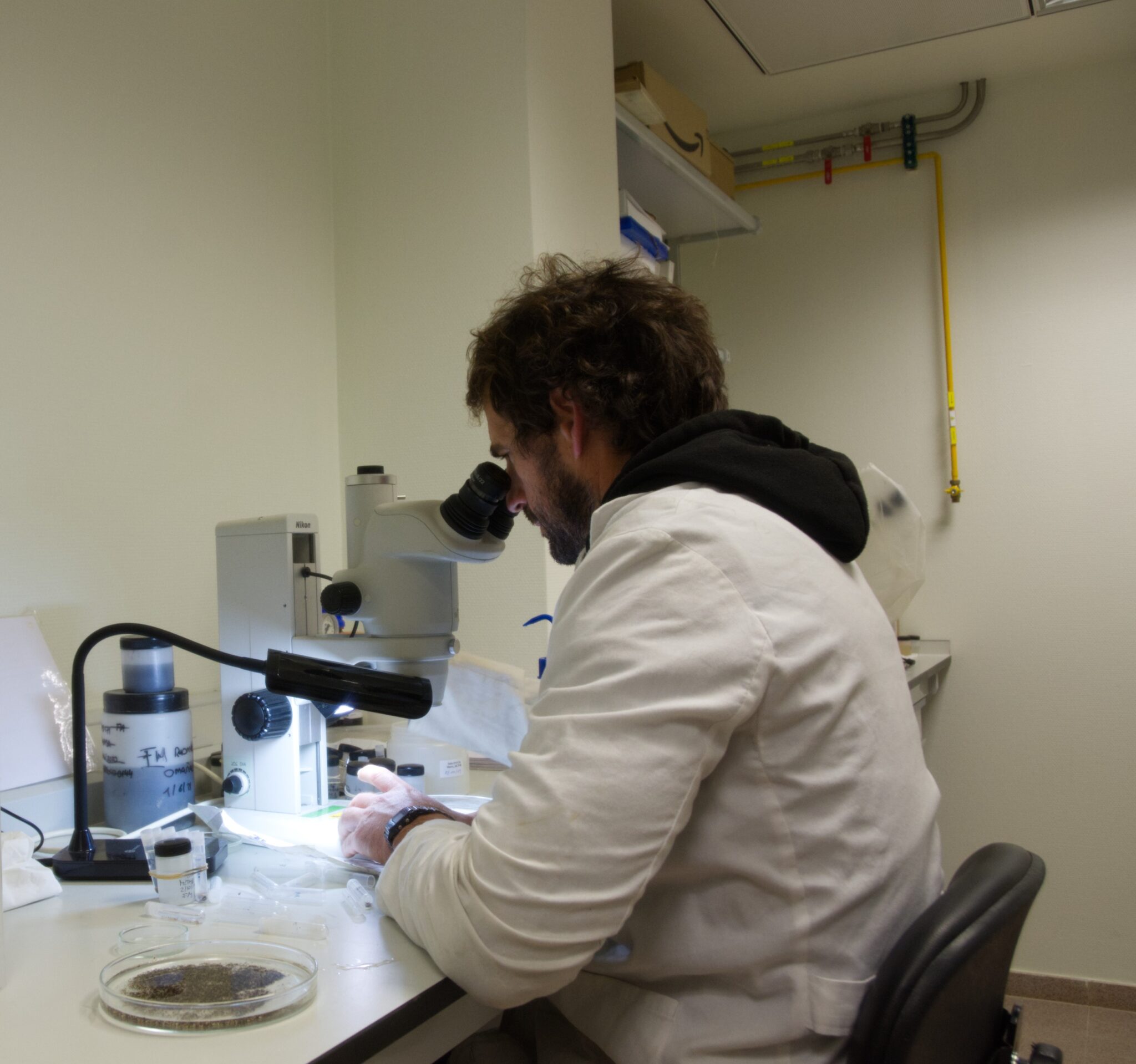
The work developed by IHCantabria researchers provides new knowledge and tools,
contributing to the conservation of aquatic ecosystems, water quality and its sustainable management