Raul Medina receives the Juan María Parés 2024 Award from the UC: a scientific trajectory built as a team
The managing director of IHCantabria received yesterday this recognition, from the Social Council of the University of Cantabria, for a research career marked by scientific excellence and commitment to teamwork
The Social Council of the Universidad de Cantabria (UC) yesterday presented the “Juan María Parés 2024” Award, in the category of “Research Activity”, to the Managing Director of the Environmental Hydraulics Institute of the Universidad de Cantabria (IHCantabria) and professor of UC, Raul Medina. The award ceremony took place in the auditorium of UC and was attended by authorities and representatives of this University, the Government of Cantabria and IHCantabria, among other entities.
Through this interview, Raul Medina expresses his gratitude for this recognition from the Universidad de Cantabria and answers some questions related to his career, the characteristics of his management at IHCantabria and the impact of his work, inside and outside the institute.
Question: What does it mean for you to receive this award from the Social Council of the Universidad de Cantabria?
Raul Medina (RM): “This award does not recognize a specific project, but a whole career; that is to say, all the actions I have carried out in my life. And I owe that to many people, to many people with whom I have lived experiences. Therefore, this is an award that I receive by and for everyone”.
After more than four decades of research, how do you maintain your motivation and rigor?
RM: “I think the luck I’ve had throughout my professional life is that I’ve always set myself new challenges, I’ve had good colleagues, good friends and collaborators, with whom it’s been rewarding to work.”
How has coastal engineering evolved since your career began and where do you see it heading in the coming years?
RM: “Coastal engineering has changed a lot, like all branches of knowledge. We know very well how waves move, how currents move. What is the future of coastal engineering? To try to better understand how sediments move, to be able to talk about coastal erosion, climate change and flooding”.
How important are teams, collaborations and human bonds in your understanding of science?
RM: Teams are for me the most important thing, where you can see the quality of people to develop great projects. Because you can’t go anywhere on your own. There is an African proverb that says: “If you want to go fast, go alone; but if you want to go far, go with a good friend”. And that can be applied in everything: in life, in the profession. Working well in a team is what allows us to go far […]. To work as a team you need to let go a little of your ego, to be generous. Because only when you are generous, when you work as a team, can you go far.
How do you build a strong scientific community around an institute like IHCantabria, and what role do you think you have played in this process?
RM: “Let’s start by mentioning what I think my role has been, although that is for others to judge. I think I have been a bit of a catalyst. I am a person who likes to work as part of a team. I know that it is difficult, that there is usually friction, egos, small problems that have to be solved. My job at IHCantabria is to be the person who manages the problems and allows the teams to move forward”.
What do you think is one of the main values of IHCantabria?
RM: “That it works as a team, that it has a group of people who jointly solve the challenges and, thanks to this collaborative work, we have been able to go far”.
What challenges do you see as priorities for the next generation of researchers in environmental engineering and coastal management?
RM: “I think we still have the big problems that society used to have. We live in cities that alter the environment. This alteration generates problems that we have to solve. The great challenge is to find solutions that are sustainable, from the environmental, social and economic points of view”.
What message would you like to convey to young people who are starting to do research in this field?
RM: “Enjoy it. Research is an exciting job, although a bit hard. The good thing is when inspiration comes and it catches us working. Research is a challenge in itself, it is to face problems from a different point of view from what they call the scientific method. You have to ask yourself the right research questions. You have to work long and hard, but the result is usually very gratifying”.
What legacy would you like to leave, beyond academic numbers and achievements?
RM: “A team working together, setting joint challenges and achieving them”.
To whom would you like to dedicate your “Juan María Parés 2024” Award?
RM: “The award I have received recognizes a trajectory. Therefore, I would like to mention all the people who have made my career possible. I would especially like to mention Íñigo Losada, my friend and colleague for more than 30 years, and my wife, who does not appear in any article or research report, but has always been with me along the way, both in good times and bad. And, in general, I would like to thank all the people who have made my career possible. Thank you for this exciting journey.
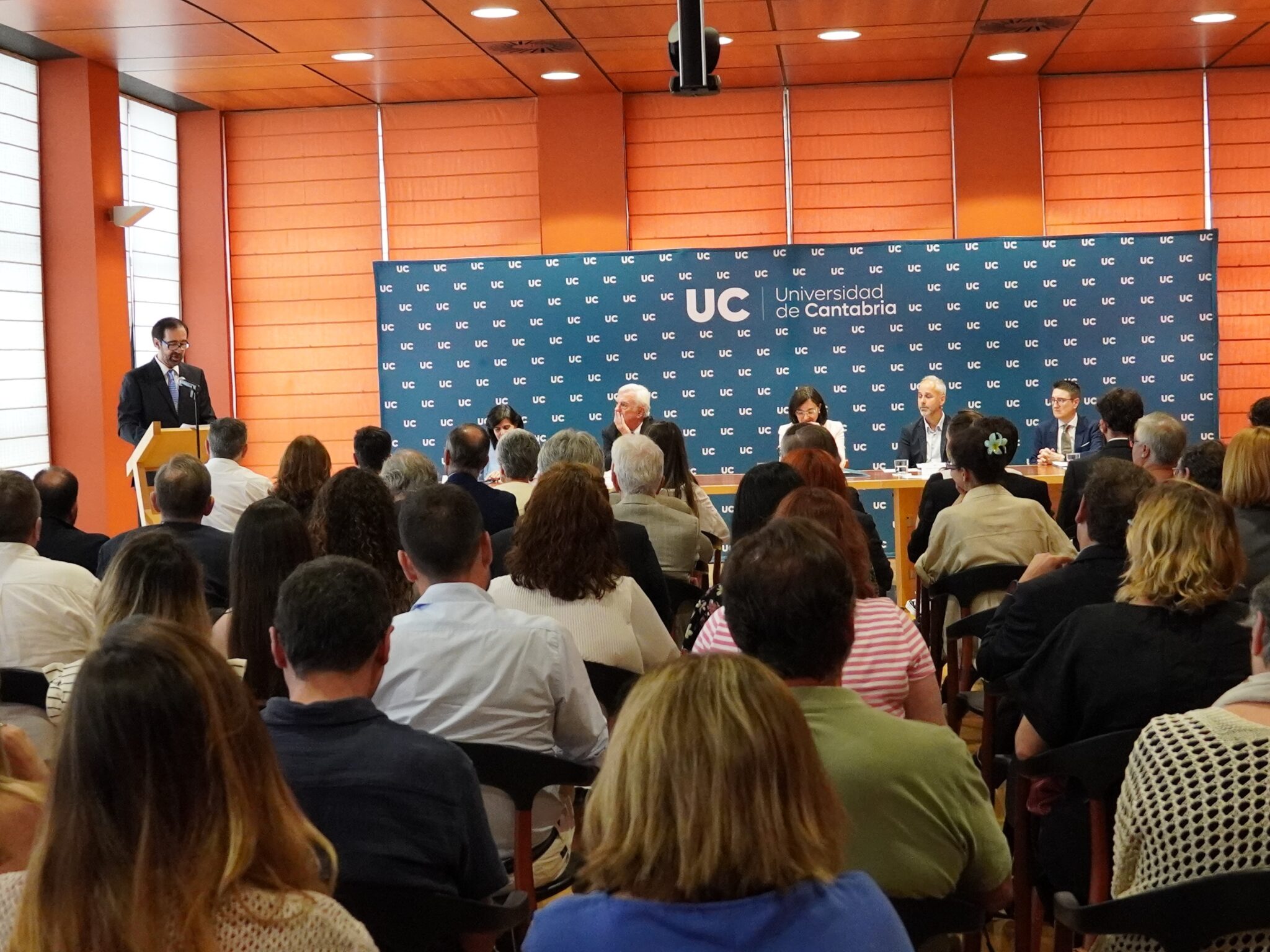
In its twenty-fourth edition, the “Juan María Parés 2024” Research Award of the Social Council of the Universidad de Cantabria (UC) has distinguished the research career of the Professor of Hydraulic Engineering and Managing Director of IHCantabria, Raul Medina, whom the jury chose for being “an international reference in the field of research in coastal and oceanic engineering” and of whom it highlighted “his advances in the hydrodynamics and morphodynamics of beaches, as well as his contribution to the development of tools and methodologies, such as the Coastal Modeling System (CMS), which has had a real impact on the improvement of integrated management, sustainability and resilience of coastal areas in many countries around the world and, especially, in the Spanish coast”.
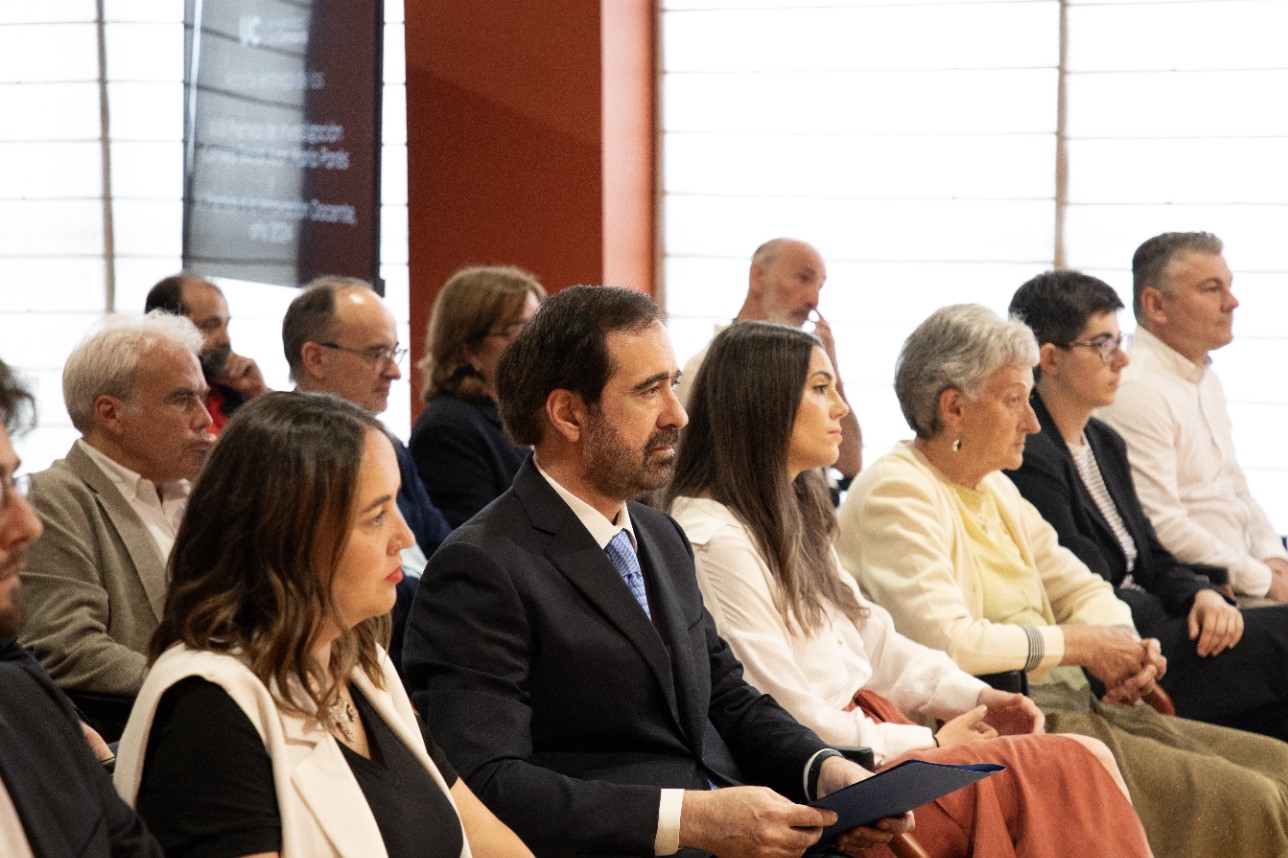
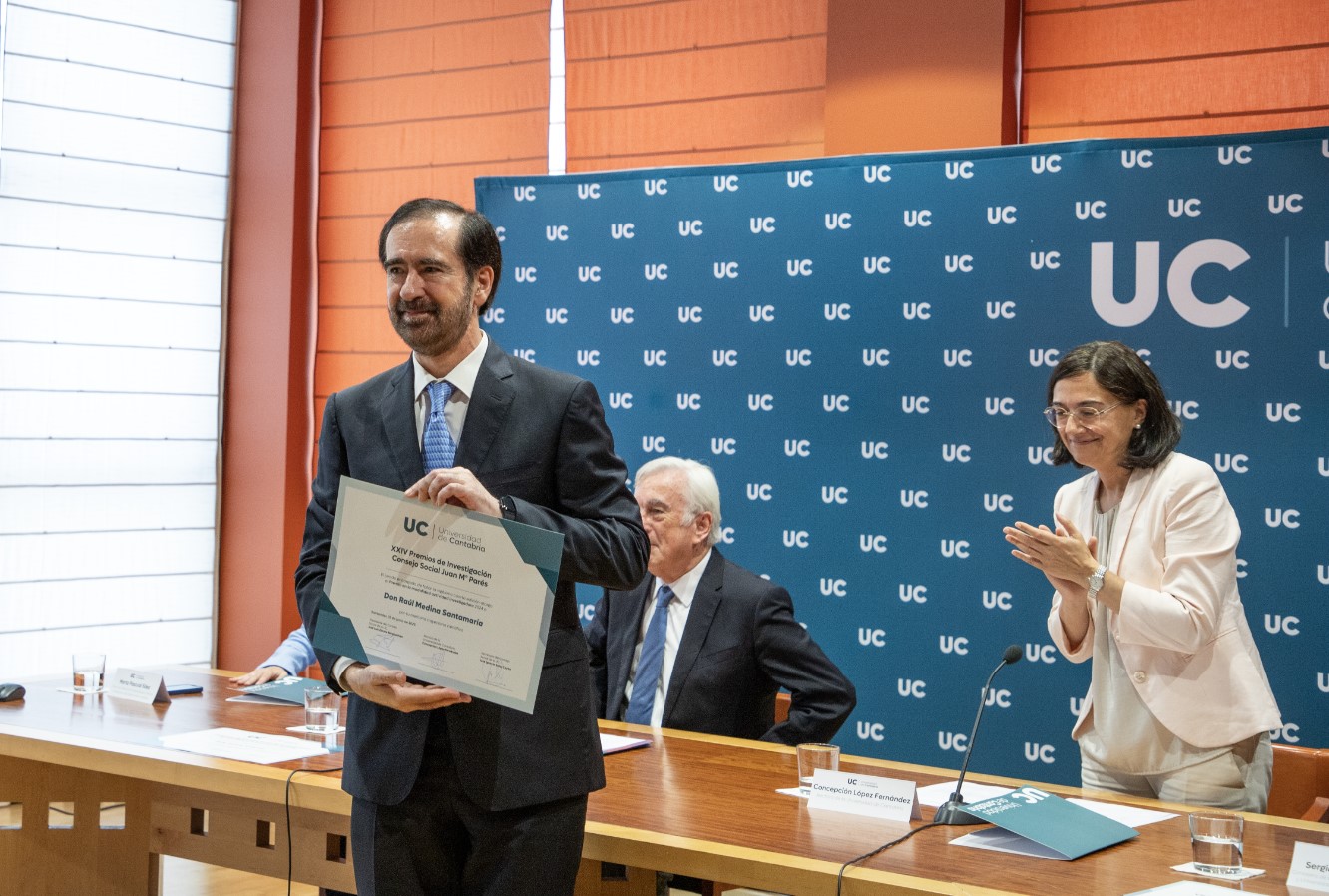


Images of the ceremony in which Raul Medina received the “Juan María Parés 2024” Award, granted by the Social Council of UC, in the category of “Research Activity”. This event took place on June 12, in the Auditorium of UC


On Friday, June 13, Raul Medina, Managing Director of IHCantabria, received a tribute from the entire staff of this institute, for receiving the ‘Juan María Parés 2024’ Award from the UC Social Council, in the “Research Activity” category