Generation of a common database on air, soil, water and cave temperatures in the Picos de Europa environment
Lhe Follow-up Commission of the Framework Collaboration Agreement of the LTSER-Picos de Europa Platform is launching key works for the conservation of the ecosystems of this protected natural area
The Follow-up Commission of the Framework Collaboration Agreement of the LTSER-Picos de Europa Platform(Long Term Socio-Ecological Research) has programmed the execution of some works related to the analysis of temperature variations, in the geographical context of this platform, based on observations made in the last decades by several research teams. This agreement was reached by the partners of this platform in a recent meeting. This initiative seeks to generate a common database that includes records of air, soil, ice cave and water temperature in the Picos de Europa environment.
The LTSER-Picos de Europa Platform is part of the international network LTER(Long Term Ecological Research), which is oriented to the long-term study of ecosystems. Its main objective is to establish a collaborative platform to coordinate scientific and technical efforts to improve our knowledge about the changes occurring in the ecosystems of the Picos de Europa and the Cantabrian Mountains.
According to University of Cantabria (UC) full professor Pepe Barquín Ortiz ─ head of the Continental Ecosystems Group at IHCantabria and scientific representative of the LTSER-Picos de Europa─ Platform, “very important steps are being taken to share data and modeling strategies from multiple research teams that have been working in Picos de Europa for decades and that will substantially improve our knowledge of the relationships between human activity and long-term changes in biodiversity and mountain ecosystems.”
Background of the LTSER-Picos Platform Framework Collaboration Agreement
The Framework Collaboration Agreement of the LTSER-Picos de Europa Platform is currently integrated by the Interautonomic Consortium of the Picos de Europa National Park ─which includes the Principality of Asturias, Cantabria and Castilla y León─, the University of Valladolid, the University of Cantabria and the Environmental Hydraulics Institute Foundation of Cantabria (FIHAC).
The University of Valladolid and the Joint Unit for Biodiversity Research (UMIB) ─in which the University of Oviedo, the Spanish National Research Council (CSIC) and the Government of the Principality of Asturias─ collaborate together with IHCantabria are some of the organizations that will contribute with air, soil, frozen cave and water temperature records, in the Picos de Europa environment.
The launching of the Monitoring Commission of the Framework Collaboration Agreement of the LTSER-Picos de Europa Platform represents one of the first steps in the implementation of this node of the Spanish long-term ecological monitoring network (LTER-Spain). It began its work last February 17, after the signing of the Framework Agreement, which took place on November 19, 2024.
Towards an integrated network of ecological and climatic data
Among the first lines of work to be developed within the framework of this platform is a proposal to integrate and systematize the temperature observations made in this natural area. To this end, the idea is to generate a common database that includes records of variations in the temperature of the air, soil, water and frozen caves.
This proposal consists of compiling and integrating the data obtained by the multiple research teams that have worked in the area in recent decades, with the aim of constructing continuous temporal and spatial series, without gaps or interruptions. This advance would be an essential first step towards the construction of robust models of change in high mountains, in addition to being a valuable tool for improving knowledge and decision-making in the conservation and management of these ecosystems. The content of this proposal has been assessed and approved at the meeting of the Monitoring Commission held last Wednesday, via telematic means.
The environment of the Picos de Europa has a protected natural area of more than 66 thousand hectares, which includes mountains, caves, rivers, lakes, forests and a great diversity of fauna and flora. It is located in the north of Spain, in the Cantabrian Mountain Range, in territories that form part of three autonomous communities: Principality of Asturias, Cantabria and Castilla y León.
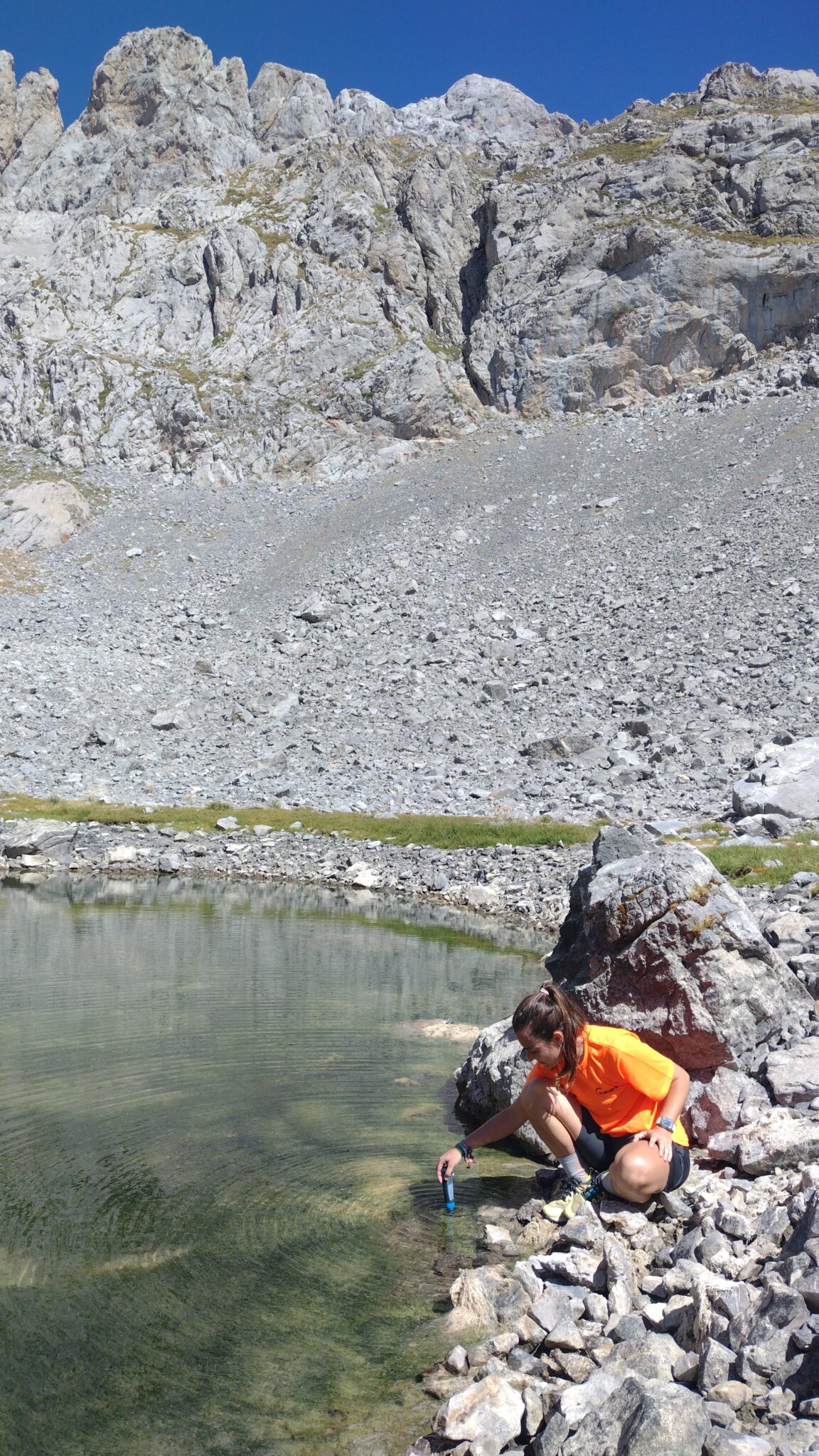
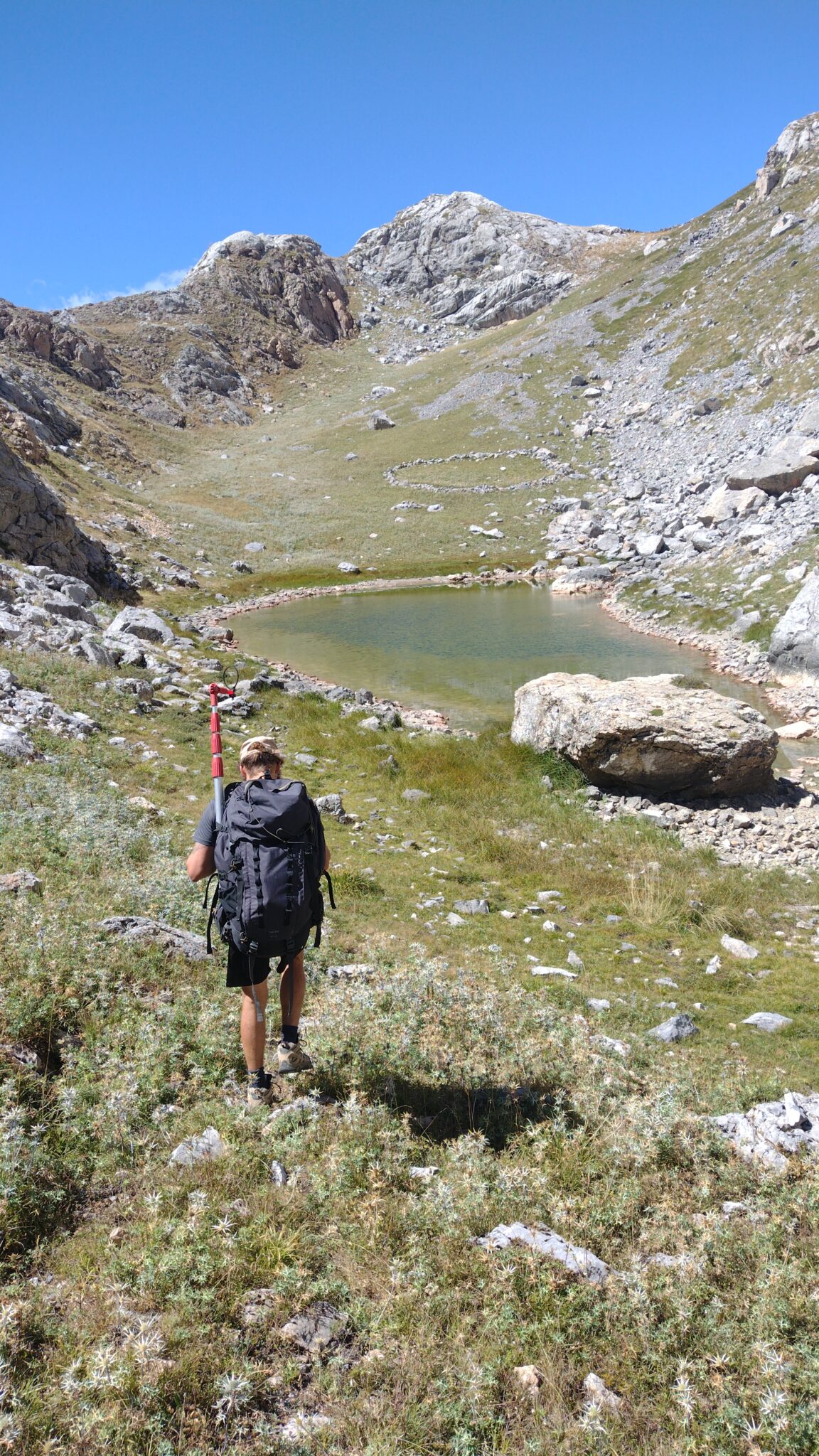
Images capturing part of the area where the work proposed by the LTSER-Picos de Europa Platform has been implemented